Air Filter Replacement Tips: A Seasonal AC Checklist for Port Chester Homes
Keeping your home comfortable through Port Chester’s spring pollen blooms and humid summer spikes starts with a simple habit: staying on top of air filter replacement. A clean filter is the frontline defense for indoor air quality, system efficiency, and steady cooling performance. When combined with a smart seasonal HVAC checklist, it can significantly reduce energy use, prevent breakdowns, and extend equipment life. Here’s a practical guide tailored for Port Chester homeowners to support AC maintenance Port Chester NY with smart, timely steps.
Why air filter replacement matters in Port Chester
- Better air quality: Spring pollen and coastal humidity can drive allergens and particulates indoors. Replacing filters helps trap dust, dander, and pollen before they circulate. Energy savings: A clogged filter forces your system to work harder, raising energy bills. Clean filters keep airflow smooth and efficient for energy-efficient AC care. Fewer repairs: Restricted airflow can lead to overheated components, frozen evaporator coils, and premature wear. Staying on schedule lowers the risk of emergency calls. Consistent comfort: Good airflow translates to faster temperature recovery on hot days and more even cooling across rooms.
How often should you replace your filter?
- Standard 1-inch filters: Every 30–60 days during cooling season. If you have pets, allergies, or a lot of spring pollen, consider every 30 days. High-MERV or thicker filters (2–5 inches): Typically every 60–120 days, but follow the manufacturer’s guidance and check monthly. After home projects: If you’ve done renovations, painting, or sanding, replace the filter right after work finishes.
Choosing the right filter for Port Chester homes
- MERV rating sweet spot: MERV 8–11 balances filtration and airflow for most residential systems. MERV 13 may be appropriate for allergy-sensitive households if your system can handle it without airflow penalties. Fit matters: Make sure filter size matches the return grille or filter slot exactly. Gaps around the edges allow dust to bypass the filter. Material and construction: Look for pleated filters with sturdy frames; they capture more particles without collapsing under pressure.
A seasonal HVAC checklist for spring and summer To pair air filter replacement with broader Port Chester AC upkeep, use this seasonal HVAC checklist:
Spring AC inspection
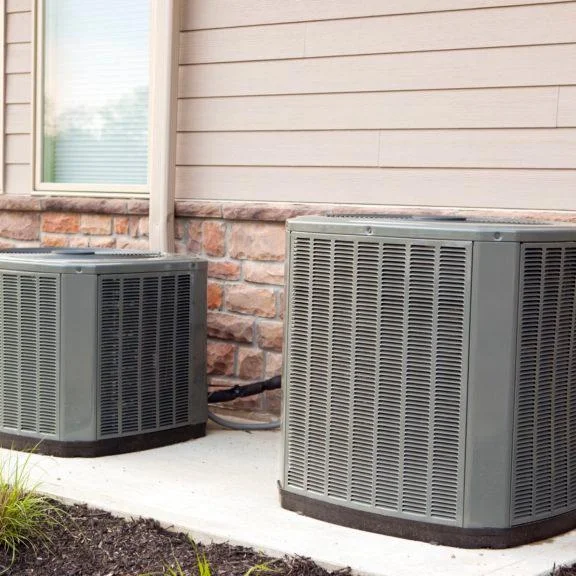
- Replace the air filter: Start the season with a clean slate. Thermostat check: Verify cooling mode, update schedules for warmer weather, and confirm smart thermostat connectivity. Condensate drain: Inspect for clogs or algae; a blocked drain can cause water damage and system shutdowns. Outdoor clearance: Clear leaves, branches, and debris from around the condenser unit. Maintain at least 2 feet of open space. Visual duct check: Look for loose connections or visible dust accumulations near supply registers. Book HVAC tune-up services: A professional spring AC inspection can catch refrigerant issues, loose electrical connections, and weak capacitors before summer hits.
Summer AC readiness
- Mid-season filter check: July and August are heavy-use months; check the filter monthly and replace as needed. Condenser coil cleaning: Gently rinse the outdoor coils with a garden hose from the inside out (power off first). Professional deep cleaning may be needed if coils are caked with grime. Inspect insulation on refrigerant lines: Replace deteriorated foam sleeves to prevent efficiency losses. Listen and observe: Unusual noises, short cycling, weak airflow, or warm air at vents are signals to schedule HVAC preventive maintenance promptly.
DIY steps vs. professional ductless hvac replacement ct care DIY-friendly
- Air filter replacement: Quick and effective. Set reminders on your calendar every 30 days to check, even if you don’t change each time. Outdoor unit housekeeping: Keep vegetation trimmed, clear grass clippings, and ensure the unit sits level. Basic coil rinse: For light dirt, a gentle rinse can improve heat transfer and airflow.
Best left to pros
- Full condenser coil cleaning: Technicians use coil-safe cleaners and proper pressure to avoid fin damage. Electrical tests and refrigerant checks: These require gauges, meters, and EPA-certified handling. Duct sealing and balancing: Airflow diagnostics ensure each room gets adequate cooling. Comprehensive HVAC tune-up services: Includes static pressure measurement, temperature split, blower inspection, and safety checks.
Energy-efficient AC care tips that pay off
- Keep filters fresh: It’s the highest ROI task on your seasonal HVAC checklist. Seal and shade: Weatherstripping, attic insulation, and shading west-facing windows reduce runtime. Smart thermostat strategies: Use gradual setpoint adjustments and occupancy-based schedules to lower costs without sacrificing comfort. Ceiling fans: With fans running, you can raise the thermostat 1–2 degrees and feel just as cool. Close attention to humidity: High humidity makes your home feel warmer. Ensure proper condensate drainage and consider a dehumidifier in problem areas.
Common mistakes to avoid
- Ignoring filter direction: Install with the airflow arrow pointing toward the blower (usually into the duct, away from the return grille). Overly restrictive filters: Jumping to a high MERV without checking system compatibility can strain the blower and reduce comfort. Skipping pre-summer maintenance: A quick spring AC inspection helps avoid peak-season breakdowns and higher repair costs. Blocking returns: Furniture or drapes over return grilles reduce airflow and system efficiency.
Port Chester–specific timing reminders
- Pollen surge: Replace filters at the start and end of peak pollen season to combat buildup. Coastal moisture: Inspect the condensate line and drain pan regularly to prevent algae and overflow in humid stretches. Vacation prep: Before a summer trip, set the thermostat a few degrees higher, replace the filter, and verify the condensate drain is clear.
When to call for help
- Persistent warm air, ice on lines, or tripping breakers are red flags that call for professional HVAC preventive maintenance. If your system is over 10 years old, consider a pre-summer evaluation to identify opportunities for performance upgrades. Rising energy bills with no obvious cause can indicate airflow issues, dirty coils, or failing components.
Putting it all together: a quick seasonal plan
- March–April: Replace filter, schedule a spring AC inspection, clear outdoor unit, and check condensate drain. May–June: Confirm summer AC readiness, test cooling under load, rinse coils lightly, and optimize thermostat settings. July–August: Check filters monthly, monitor humidity, and schedule condenser coil cleaning if performance drops. September: One final filter replacement to catch summer dust and prepare for shoulder-season comfort.
FAQs
Q: How do I know if my filter is too restrictive for my system? A: If you notice reduced airflow from vents, more noise from the return, longer cooling times, or a hotter blower motor area after switching to a higher MERV filter, it may be too restrictive. Consult your manual or a technician to match filter type with your system’s airflow capacity.
Q: What’s included in professional HVAC tune-up services? A: A typical tune-up includes checking refrigerant levels, electrical connections, blower amperage, temperature split, safety controls, thermostat calibration, condensate drain, and condenser/evaporator coil condition. It’s a cornerstone of HVAC preventive maintenance.
Q: Is condenser coil cleaning really necessary if I change filters regularly? A: Yes. Filters protect the indoor coil more than the outdoor coil. The condenser sits outside and collects dirt, pollen, and cottonwood fluff. Cleaning it restores heat rejection efficiency and supports energy-efficient AC care.
Q: How can I build an easy seasonal HVAC checklist? A: Set calendar alerts for filter checks every 30 days, add reminders for spring AC inspection and summer AC readiness steps, and include a mid-summer coil check. Keep receipts and notes to track Port Chester AC upkeep decisions and HVAC contractor performance trends.